Blog


Caregiver Burnout Is Rising: How Hospice Support Helps Families in Whippany
Caring for a loved one with a serious illness often begins with simple acts, helping with meals, driving to appointments, or managing medications. Over time, those small tasks can grow into full-time responsibilities. Many family caregivers push through exhaustion because they feel it is their duty. What often goes unnoticed is how heavy that load can become.
 May 28, 2026
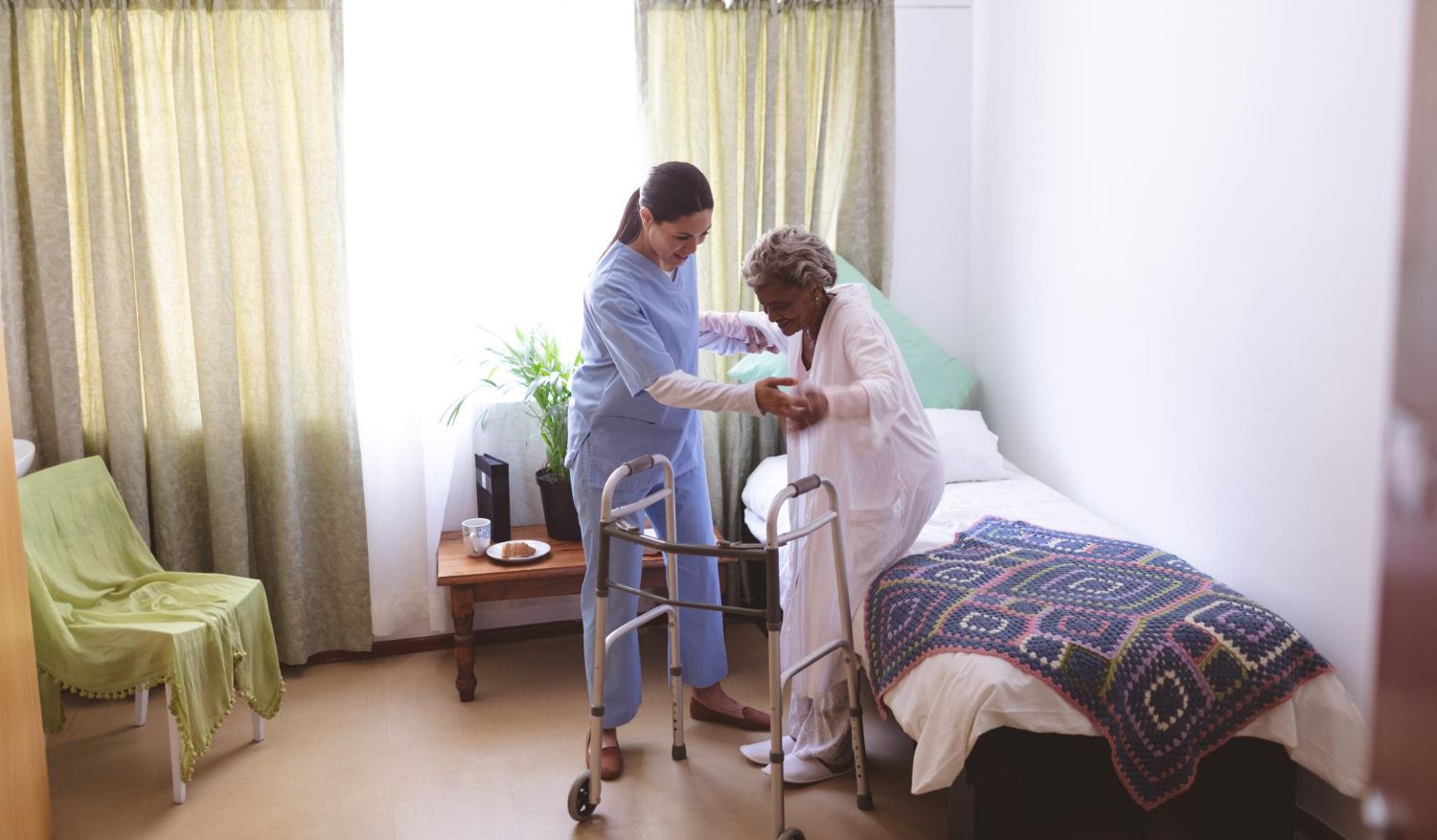
Care Decisions Can Bring Families Closer or Create Tension. Hospice Can Change the Conversation
Care decisions can reveal just how differently family members see the same situation. One person may want to continue pursuing every possible option. Another may be focused on comfort. Someone else may feel that a loved one’s wishes are being overlooked altogether. These differences can create tension, particularly when emotions are already running high.

What Does a Normal Day Look Like When Hospice Becomes Part of Life at Home?
When hospice becomes part of life at home, families may wonder how much the day will change. Will every hour revolve around care? Will home still feel like home? These questions can be especially important when a loved one wants to remain in familiar surroundings. The reality is that there is no single version of a “normal” day.


When a Loved One Says They Want to Stay Home: What Families Can Explore
Hearing a loved one say, “I just want to stay home,” can bring comfort and uncertainty at the same time. Families may understand the wish, yet still wonder how to manage changing needs, difficult symptoms and the responsibilities of day-to-day care. The conversation can become even more complicated when everyone wants to do the right thing but is unsure what support may be available.


When Daily Routines Start Revolving Around Care, What Happens to Family Life?
A family’s routine can change gradually when someone they love needs more care. At first, it may mean adjusting a few plans. Then meals, sleep, work, social events and household responsibilities can begin revolving around appointments, symptoms and caregiving tasks. Before long, family members may realise that daily life no longer feels quite the same.


When Family Members Live Different Lives but Share One Care Decision
A serious illness can suddenly pull family members out of their separate routines and into the same care conversation. One person may be at work when another receives an update. A sibling living nearby may already be handling many daily tasks, while someone farther away is trying to understand the situation through phone calls.


When Treatment Options Narrow, What Other Forms of Support Can Families Consider?
There may come a point when treatment discussions begin to change. Families who have spent months or years exploring appointments, procedures, medications or other options may suddenly find themselves facing a different kind of question: What support is available now? This transition can feel difficult, especially when continuing treatment is no longer the main focus of care.

Who Helps When Care at Home Becomes Too Much for One Family to Manage?
There can come a point when caring for someone at home starts to feel different.
At first, a family may be managing reasonably well. One person handles medications. Someone else helps with meals, appointments or daily tasks. Family members take turns checking in. It feels demanding, but manageable. Then things begin to change.


Palliative Chemo or Hospice? How Families Near Millburn Are Making the Hardest Decision in Cancer Care
Your oncologist used the phrase "palliative chemotherapy" in the last appointment. You nodded, took the pamphlet, drove home, and spent the next several days trying to understand exactly what that means and whether it is truly the right path forward.


- Essex
- Morris
- Union
- Somerset
- Passaic
- Bergen